
Type your paragraph here
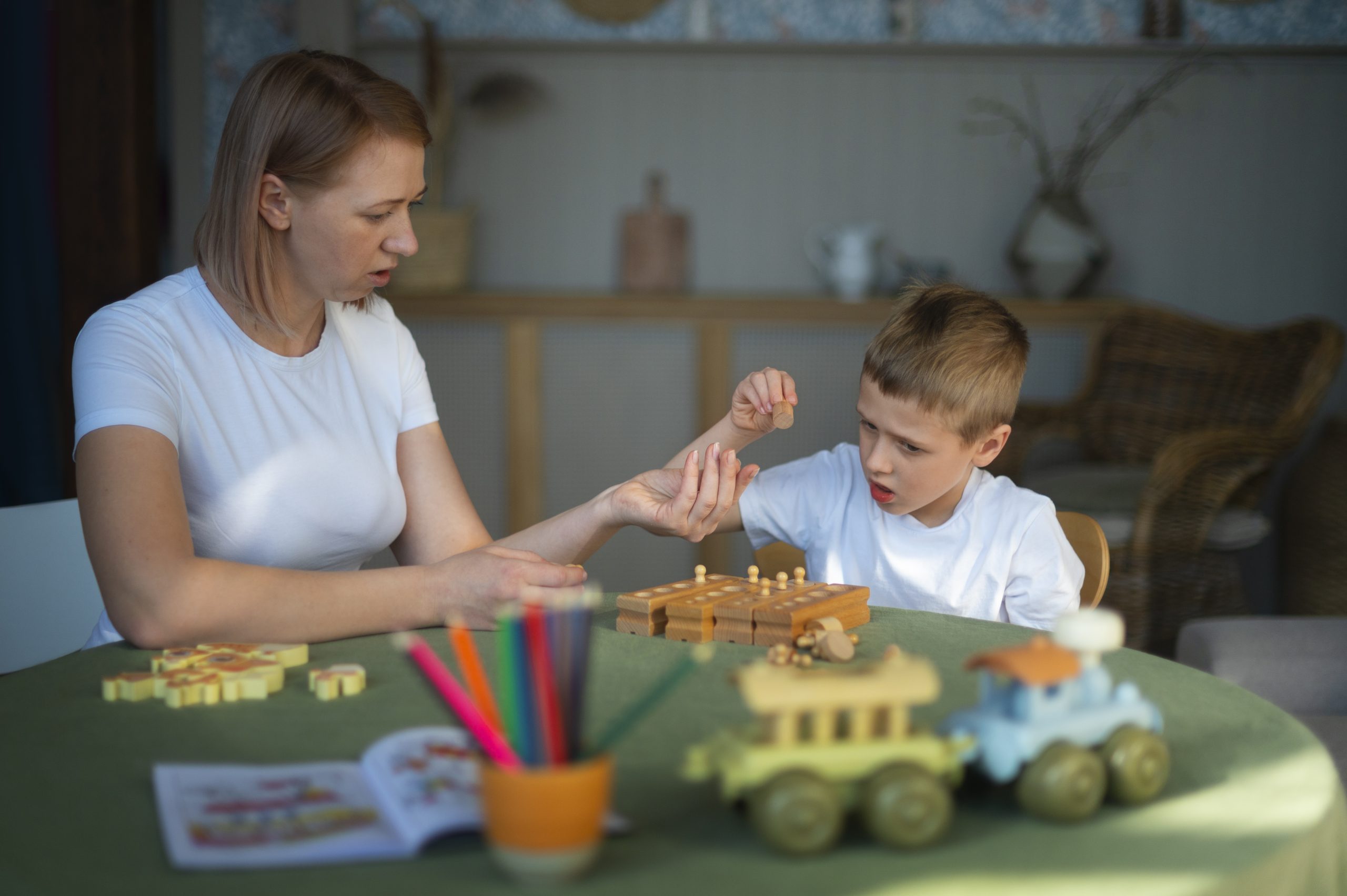
Behaviour therapy is a structured psychological approach that helps individuals learn positive behaviours and reduce behaviours that may interfere with daily life. It is based on the idea that behaviours are learned through interaction with the environment and can therefore be changed through guidance, reinforcement, and practice.
For autistic children, behaviour therapy can play an important role in improving communication, social interaction, emotional regulation, and independence.Autism Spectrum Disorder (ASD) affects how a child communicates, behaves, and interacts with others. Every autistic child is different, with unique strengths and challenges. Behaviour therapy does not aim to “change” a child’s personality; rather, it supports skill development and helps children manage difficulties that may affect learning and everyday functioning.Types of Behaviour TherapyOne of the most widely known forms is Applied Behaviour Analysis (ABA). ABA focuses on understanding behaviour and using positive reinforcement to encourage useful skills. For example, a child may receive praise, rewards, or preferred activities after successfully completing a task or using appropriate communication.Other approaches include:
Cognitive Behaviour Therapy (CBT):
Helps children recognize emotions, thoughts, and behaviours. It is especially useful for autistic children who experience anxiety or stress
.
Social Skills Training:
Teaches children how to interact with peers, understand social cues, and build relationships.
Positive Behaviour Support (PBS):
Focuses on understanding the reasons behind challenging behaviour and creating supportive environments. Key Roles of Behaviour Therapy for Autistic Children1. Improving Communication SkillsMany autistic children experience difficulties with verbal or nonverbal communication. Behaviour therapy can help children learn how to express needs, make requests, maintain conversations, and understand gestures or facial expressions. Therapists may use pictures, visual schedules, or communication devices to support learning.2. Enhancing Social InteractionAutistic children may find it difficult to understand social rules or connect with others. Behaviour therapy teaches skills such as taking turns, sharing, making eye contact, and responding appropriately in social situations. These skills can improve friendships and participation in school or community activities.3. Reducing Challenging BehavioursSome children may show behaviours such as aggression, self-injury, tantrums, or repetitive actions when they feel overwhelmed or unable to communicate. Behaviour therapy helps identify triggers for these behaviours and teaches safer, more effective ways to cope with frustration or sensory discomfort.4. Encouraging IndependenceBehaviour therapy can support daily living skills such as dressing, eating, using the bathroom, organizing tasks, and following routines. Learning these skills increases confidence and allows children to become more independent at home and school.5. Supporting Emotional RegulationAutistic children may struggle to manage emotions or adapt to changes in routine. Therapists help children recognize emotions and develop coping strategies such as relaxation techniques, structured routines, or calming activities. This can reduce stress and improve emotional wellbeing.6. Supporting Learning and Academic DevelopmentBehaviour therapy often improves attention, focus, and classroom behaviour. Children may learn how to follow instructions, complete tasks, and participate more effectively in learning activities. This support can enhance educational outcomes.Benefits of Behaviour TherapyBehaviour therapy offers several benefits when tailored to the child’s individual needs: Builds confidence and self-esteem Encourages positive behaviour through reinforcement Improves communication and social participation Helps families understand and support the child Creates structured learning opportunities Can be adapted to different ages and ability levelsEarly intervention is often especially beneficial because young children’s brains are highly adaptable. However, behaviour therapy can be valuable at any age.Limitations and ConsiderationsAlthough behaviour therapy can be highly effective, it is not a “cure” for autism. Progress varies from child to child. Therapy should always respect the child’s individuality, preferences, and sensory needs. Excessive pressure to appear “normal” can be harmful, so modern approaches emphasize support, inclusion, and quality of life rather than forcing conformity.Family involvement is also important. Parents, teachers, and caregivers often work together with therapists to ensure consistent support across different environments.ConclusionBehaviour therapy plays a significant role in supporting autistic children by helping them develop communication, social, emotional, and daily living skills. Through positive reinforcement and individualized strategies, it can improve independence, confidence, and participation in everyday life. When delivered with understanding and respect, behaviour therapy can help autistic children reach their potential while honoring their unique identities and strengths.
Type your paragraph here